

Meet our current visiting scholars
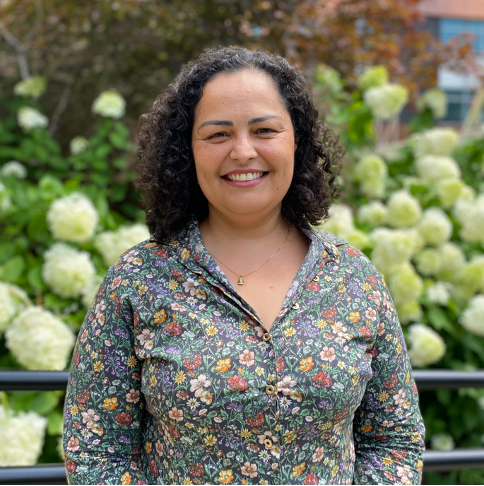
Simone Cardoso
Brazil
Simone Cardoso is an Assistant Professor in the Department of Zoology at the Federal University of Juiz de Fora (UFJF), Brazil, and a visiting professor at Indiana University. Her research focuses on advancing the understanding and predictability of how anthropogenic changes affect the structure and functioning of aquatic ecosystems.
Using planktonic communities as model organisms, Simone investigates a wide range of environmental pressures, including eutrophication, invasive species, greenhouse gas emissions, mining tailings, emerging pollutants, and, more recently, the ecological implications of floating solar plants. Her project at Cornell focuses on investigating the effects of floating photovoltaics (FPV) on macrophytes, phytoplankton and zooplankton communities.
Email: simone.jcardoso@gmail.com
Google Scholar
LinkedIn
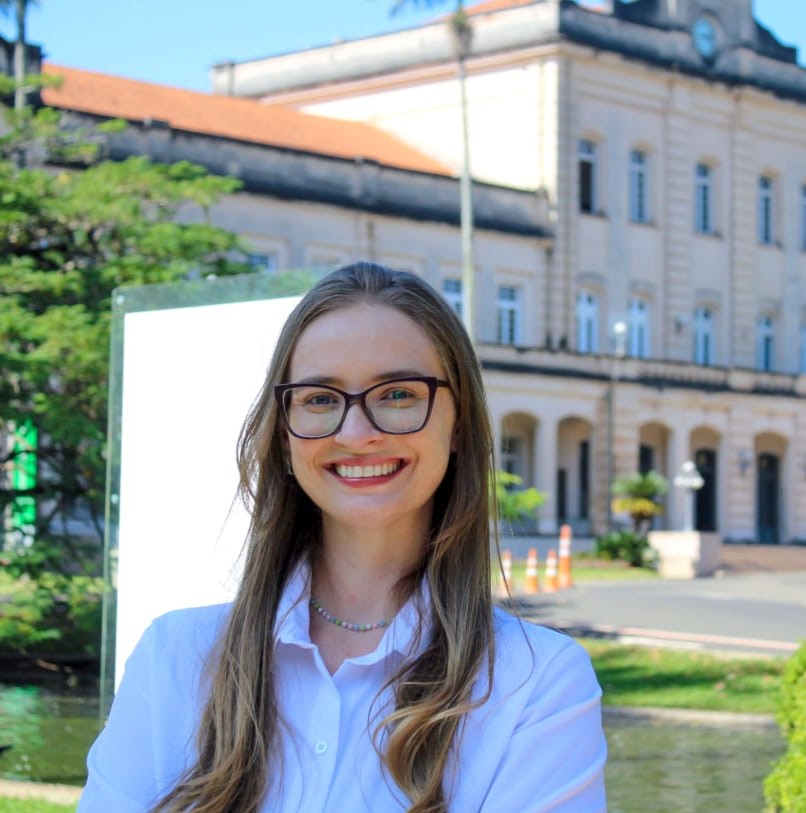
Beatriz da Silva Vanolli
Brazil
Beatriz da Silva Vanolli is a Ph.D. candidate in Soil and Plant Nutrition at the Luiz de Queiroz College of Agriculture (ESALQ), part of the University of São Paulo (USP), Brazil’s leading university. She holds a bachelor's degree in Agronomic Engineering from Universidade Estadual do Centro-Oeste (UNICENTRO) and participated in an exchange program at Bordeaux Sciences Agro in France. She also earned a master’s degree from ESALQ/USP, where her research focused on sustainable soil management in sugarcane production. In addition to her academic background, Beatriz has completed two MBAs at ESALQ/USP, specializing in Soils and Plant Nutrition and Agribusiness. She is an active member of the Soil Health & Management Research Group (SOHMA) and is currently conducting part of her Ph.D. research at Indiana University’s O’Neill School of Public and Environmental Affairs under Dr. André Franco. Her work explores the role of soil macrofauna in carbon sequestration, using predictive modeling to analyze interactions between soil fauna, soil aggregates, and carbon dynamics in integrated agricultural systems.
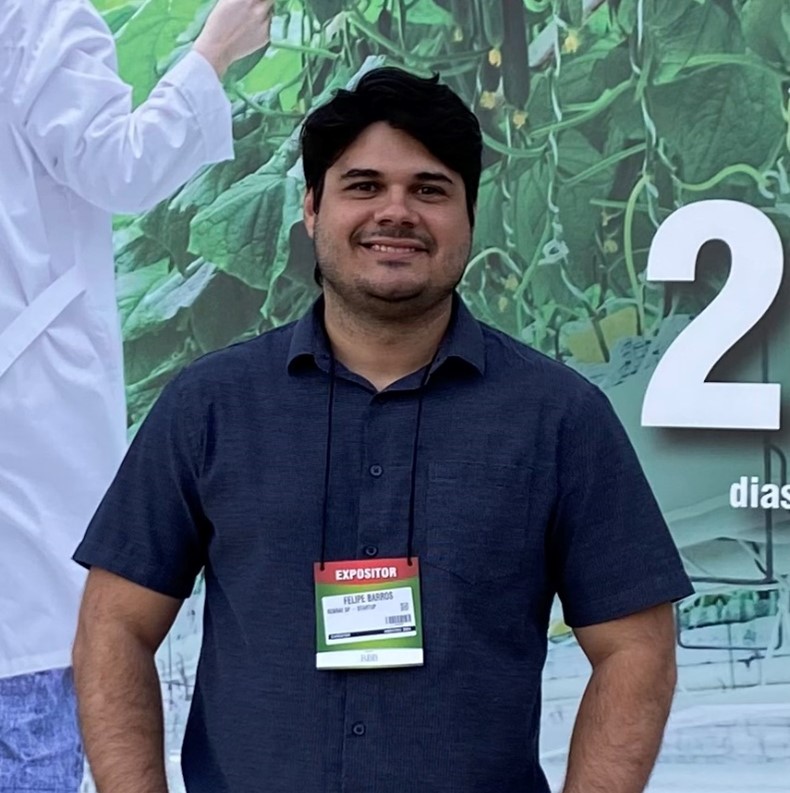
Felipe Martins do Rêgo Barros
Brazil
Felipe Martins do Rêgo Barros is a postdoctoral researcher in the Soil Science Department at the Luiz de Queiroz College of Agriculture (ESALQ), University of São Paulo (USP), Brazil. He holds a bachelor's degree in Agronomy and a master's degree in Soil Science from the Federal Rural University of Pernambuco (UFRPE), Brazil, as well as a PhD in Science with an emphasis on Agronomy: Soils and Plant Nutrition from ESALQ/USP. His research focuses on the biology and ecology of soil organisms, particularly the interactions between microorganisms and nematodes in agricultural systems. In addition to his scientific background, Felipe holds an MBA in Agribusiness from ESALQ/USP.
Email: felipemartins.martins642@gmail.com
Google Scholar
LinkedIn
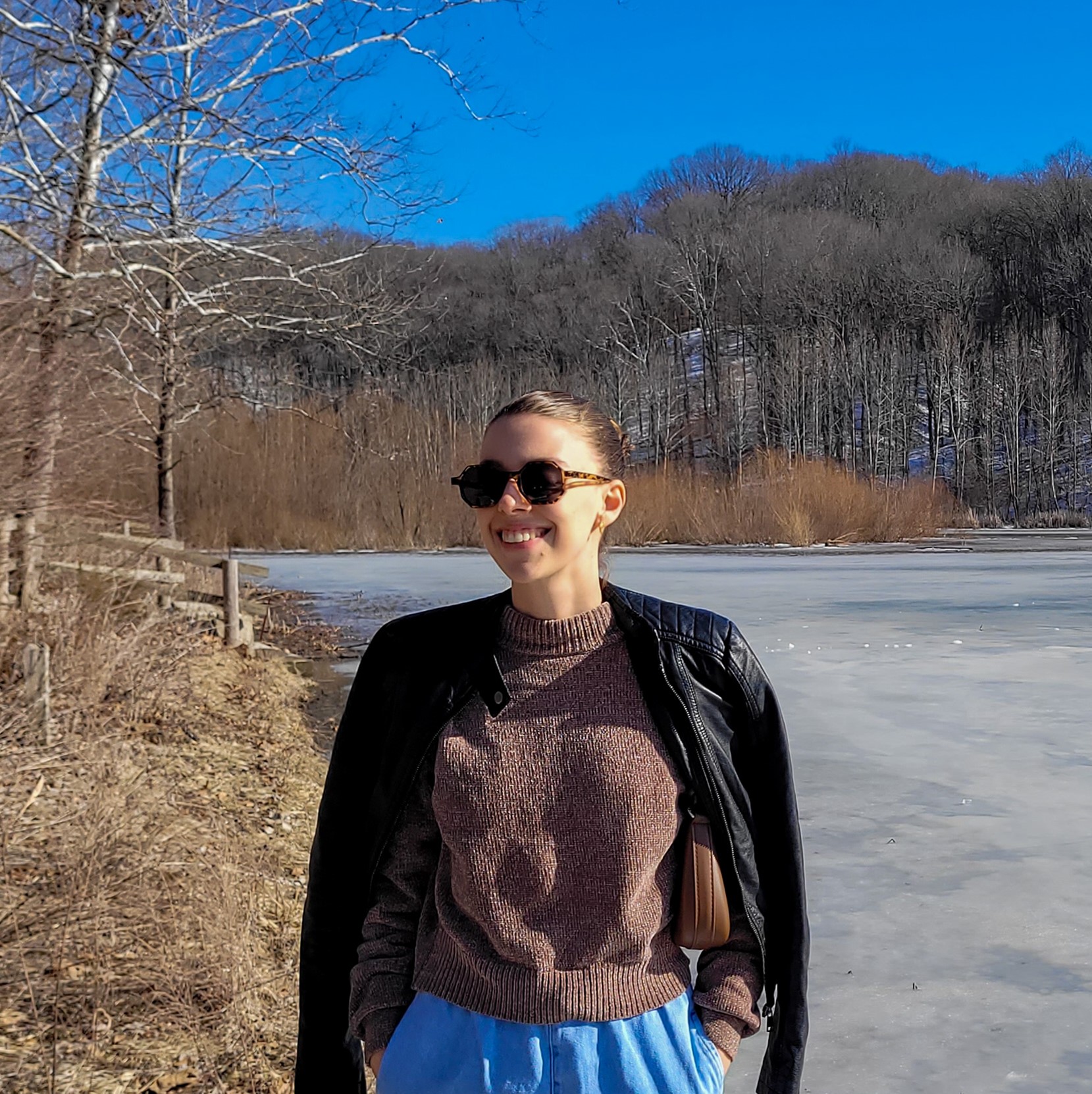
Viviana Meneghini
Brazil
Viviana Meneghini is an M.Sc. candidate in Soil and Plant Nutrition at the University of São Paulo, Brazil. Passionate about sustainable agriculture, her research focuses on evaluating different methodologies for assessing soil health in soybean production, aiming to bridge science and practice for more resilient farming systems. She holds a bachelor's degree in Agronomic Engineering from the Federal University of Santa Catarina (UFSC) and is an active member of the Soil Health & Management Research Group (SOHMA). Currently, she is conducting part of her master's research at Indiana University’s O’Neill School of Public and Environmental Affairs, under the supervision of Dr. André Franco. Her work applies Structural Equation Modeling (SEM) to unravel the complex ecological interactions that drive soil health and crop productivity. By integrating SEM, she seeks to uncover both direct and indirect pathways through which management practices shape key soil health indicators in contrasting Brazilian agricultural areas.

Sara Suárez Fernández
Spain
Sara Suárez Fernández holds a Ph.D in Economics from the University of Oviedo. She is working as an Assistant Professor in the Area of Fundamentals of Economic Analysis in the Department of Economics at the University of Oviedo. Her main research areas include Gender Economics, Cultural Economics, Sports Economics, and Natural Resources Economics, specifically Water Economics. She has also conducted research in Behavioral Economics, Tourism Economics, and Efficiency and Productivity Analysis.
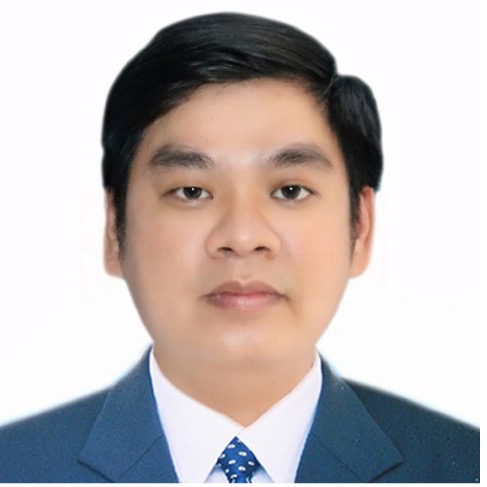
Bui Nhat Vuong
Vietnam
Dr. Bui Nhat Vuong serves as the Vice Dean and Head of the Human Resource Management Department at the School of Business Administration, Vietnam Aviation Academy. He holds a PhD in Management, specializing in Human Resource Management (HRM). Dr. Vuong is a distinguished scholar, having published extensively in reputable international journals covering topics such as human resource management, marketing, and public administration. His highly cited academic works appear in prestigious publications, including the Journal of International Consumer Marketing, Journal of Organizational Effectiveness: People and Performance, Asia Pacific Journal of Public Administration, Asia-Pacific Journal of Business Administration, Sage Open, International Journal of Work Organisation and Emotion, International Journal of Business Governance and Ethics, Business: Theory and Practice, International Journal of Electronic Marketing and Retailing, International Journal of Business Forecasting and Marketing Intelligence, International Journal of Business Information Systems, GeoJournal of Tourism and Geosites, Cogent Business & Management, Cogent Psychology, Transportation Research Procedia, and Springer.
Florent Pépin-Proulx
Canada
Florent Pépin-Proulx earned his PhD in Political Science at the University of Geneva in 2024. He is a postdoctoral researcher with the Swiss National Foundation, completing his research stay at the O'Neill School under the supervison of Professor Aaron Deslatte. Pépin-Proulx is conducting research on the electoral impact of the inflation reduction act (IRA) and on supply-side, investment-driven energy transition more broadly.
Hugo Rodríguez Gómez
Spain
Hugo Rodríguez Gómez is a PhD student at the University of Oviedo, Spain. His field of research is Cultural Economics, and he has also worked in the field of Agricultural Economics, designing questionnaires, conducting surveys and creating and cleaning databases. Rodríguez Gómez's first dissertation chapter studied the collaborative EU networks in the cultural sector created under the Creative Europe Programme. Currently, his working papers explore the primary market of art galleries in the Netherlands and the games industry from a demand perspective. At the O'Neill School, he is spending his research stay collaborating with Professor Joanna Woronkowicz.