March 13 - March 20, 2027
E482/E582/V482/V582 Coral Reef & Wildlife Conservation (3 cr)
Instructors: Stephen Glaholt; Gwen M. White
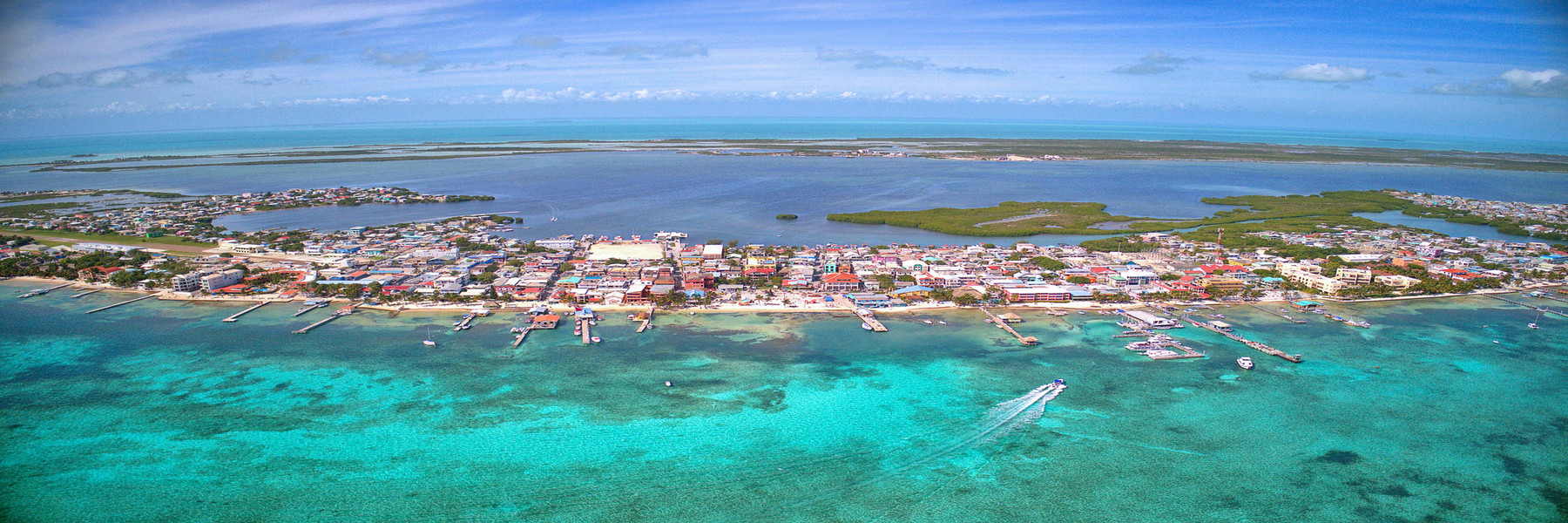
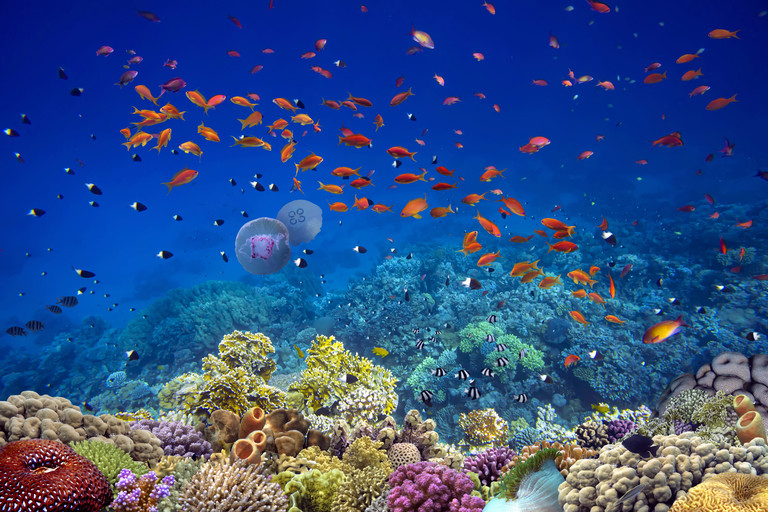
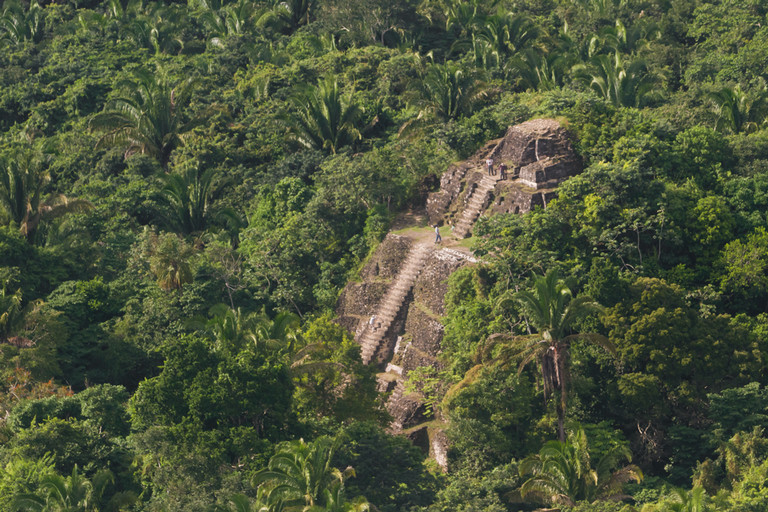
During this course we will focus on how coral reefs and tropical rainforests provide numerous ecosystem services for wildlife and humans alike. Belize is a country still establishing its conservation efforts, making it a wonderful place to explore how a country tries to balance conservation and development in real time (an issue faced by every country). You will learn how to: identify common wildlife, plants, fish, and coral species; conduct research sampling for iguanas from river boats and while snorkeling along the coral reef; learn restoration techniques; and experience firsthand the complexity of balancing economic development and conservation. This research will take place at several conservation facilities including a wildlife veterinary clinic, botanical garden, and coastal communities. You will stay in hotels associated with training facilities and experiencing transportation across land and sea to explore unique cultures, landscapes, and the 2nd largest barrier reef in the world.
*This is a first 9-weeks, 3 credit course.The course will meet for two hours per week for the first 9 weeks of the spring semester prior to the week in Belize over spring break. The time/location of the course will be determined by the program director based on student availability.
*This course counts for 3 credits of Field Experience for BSES students.
Students will share gender-matched rooms with a 4-6 person maximum located in hotels in San Ignacio near the Belize Wildlife and Referral Clinic (BWRC) and in Placencia for snorkeling activities. Each room has its own bathroom and AC unit.
All O’Neill International programs are academic, credit-bearing courses that take place abroad. As such, your bursar will be charged two amounts for participation in this program:
- Program Fee for O’Neill in Belize (made in two payments)
- Tuition for the course (3 credits at your normal IU-Bloomington tuition rate)
2027 Program Fee: $1,700
The Program Fee for this program includes:
- Lodging for 1-week in Belize
- Site visits and guest speakers
- Cultural excursions
- Some meals
- International health insurance
The Program Fee will be charged to your IU Bloomington Bursar account in two installments:
- A $250 non-refundable pre-payment will be charged shortly after you confirm your participation in the program
- The remaining balance will be charged in January
Tuition for O’Neill in Belize course: 3 credit hours paid at your IU-Bloomington tuition rate (resident/non-resident, grad/UG, etc.)
Note – for this course, if you are enrolled as a full-time undergraduate student on the Bloomington campus during the spring semester and enroll in the course as part of your block credits, there is no additional tuition cost to participate in this program.
Graduate students, students from other IU campuses, and part-time students will pay for 3 credit hours of tuition, based on your student status (resident/non-resident) on the Bloomington campus.
Additional Costs
Students will pay for their own flight to and from Belize, some meals that are not included in the Program Fee, and other personal incidentals.
For a full breakdown of costs please see the O'Neill in Belize fee sheet (TBD).
Scholarships
The O’Neill International Office offers several scholarships to support students studying abroad. The O’Neill International Equal Opportunity Scholarship is a need-based award available to help O'Neill students from IUB and IUI to be able to study abroad. Please visit our scholarship page for eligibility requirements and application deadlines. Other need and merit-based scholarships are available on a competitive basis. Students are encouraged to apply widely to all scholarships they are eligible for. Please email us at oio@iu.edu if you want help navigating different funding resources.
The program is open to both undergraduate and graduate students from any IU campus. Undergraduates must have a minimum 2.8 GPA. Graduate students must be in good academic standing. Students not meeting the standards will be considered on a case-by-case basis and are encouraged to apply.
During the application period (September 1 - October 1) an "Apply Now" button will be available at the top of this page. You will need to submit the online application by 11:59 pm on October 1.
Detailed application instructions
If you have any issues throughout the application process, please do not hesitate to contact the O'Neill International Office, 812-855-7568, oio@iu.edu.
This is a physically demanding course; students may spend as much as eight hours per day at sea or contributing to wildlife husbandry, habitat restoration, and facility maintenance. Participants should be prepared for rigorous activity and high sun exposure. All marine work will take place inside the barrier reef, where waters are typically calm and seasickness is uncommon. No diving is associated with this course.
- Ability to Walk Long Distances Daily: Participants should be prepared to walk at least 3-5 miles each day, often in or on uneven terrain.
- Ability to Walk on Uneven Ground and Climb Stairs: Some excursions may require walking on uneven ground or cobblestones and managing multiple flights of stairs at once. A basic level of fitness is necessary.
- Ability to Handle Physically Demanding Activities: participants will engage in activities like hiking, snorkeling, or fieldwork, which require a basic level of fitness and comfort in natural environments.
- Ability to Manage Stressful Situations: Students should be able to navigate stressful situations such as crowded areas, time zone changes, language barriers, and group travel dynamics.
- Ability to Manage Water- and Land-based Movement: travel in buses, vans, and spend a day on a catamaran boat in the ocean.
- Ability to Adapt to a New Culture: Willingness to embrace a different culture and step outside one’s comfort zone is essential. Students should be prepared to adapt to new customs, norms, and environments.
- Ability to Stay Calm and Focused in Unfamiliar Environments: Students may encounter unfamiliar situations such as navigating airports, public transportation, or crowded cities. The ability to stay calm and focused is important.
- Ability to Identify and Cope with Personal Stressors: Understanding one’s own stressors (e.g., travel fatigue, group dynamics) and employing coping mechanisms is essential for a smooth experience.
- Openness to Embrace Group Dynamics and Teamwork: Programs often involve group work, requiring openness to grow as a team member, listen to others, and share responsibilities.
- Willingness to Broaden Perspectives: A core part of the experience is expanding one’s worldview. Students must be willing to broaden their perspectives and learn about new cultures, even if it challenges their existing beliefs.